
Content marketing has become a cornerstone of digital strategy, enabling businesses to connect with their target audience in meaningful ways. However, for beginners, understanding online visibility can be daunting. Many struggle to understand how to create content that not only attracts but also converts, especially when competing against established brands. This article provides a practical, step-by-step guide to mastering content marketing for search visibility. We'll explore foundational strategies, from keyword optimization to advanced audience engagement tactics, ensuring your content reaches the right people at the right time. By the end, you'll have the tools and insights to create compelling content that drives results.
- Understanding Content Marketing: The Core Principles
- Defining Your Target Audience: Tailoring Your Message
- Creating Engaging Content: Strategies for Online Visibility
- Optimizing for Search Engines: SEO Best Practices
- Distribution and Promotion: Amplifying Your Reach
- Measuring Success: Analytics for Content Marketing
Understanding Content Marketing: The Core Principles

Content marketing is more than just creating and sharing content; it's a strategic approach to attract and retain customers through valuable, relevant, and consistent material. At its core, effective content marketing for search visibility involves understanding your audience, optimizing your content for search engines, and leveraging various channels to build relationships.
For beginners, the foundation lies in keyword optimization, a crucial aspect of local SEO. Imagine a plumbing business in your area. By researching and targeting specific keywords like "plumbing services near me" or "emergency plumber [your city]," the business can ensure their content is found by potential customers searching for just that. Long-tail keywords, which are more specific phrases, are also powerful tools. "best emergency plumbing in [city name]" targets a more niche audience and can lead to higher conversion rates. Utilizing these strategies, the plumber's website can outrank competitors who haven't optimized their content, making them more visible to nearby customers in need of their services.
Newbie content marketers should also consider the importance of audience engagement. Understanding user behavior and leveraging tools for audience analytics can provide valuable insights. Tracking user interactions on a plumbing company's blog can reveal which articles are most popular and help refine content strategies. Content personalization, where you adapt your messaging to individual user preferences, can significantly boost engagement. A local content marketing agency specializing in B2B plumbing businesses might offer advice on repurposing blog content into case studies or whitepapers, providing more in-depth information for industry professionals.
For automation and future trends, content marketing tools and SEO software can streamline the process. These technologies, some of which offer AI-driven content generation, can help maintain a consistent content pipeline while ensuring optimal search engine visibility. Reviews of these tools are abundant, and selecting one suited to your budget and niche is essential. For a low-cost strategy, content marketing automation platforms can be highly effective, allowing for personalized content at scale without breaking the bank.
Defining Your Target Audience: Tailoring Your Message

Defining your target audience is a critical step in successful content marketing, especially when you want to get noticed online for search visibility. This process involves understanding who your ideal customers are, their needs, and how your content can address those needs better than your competitors. If you're in e-commerce, your target audience might include price-conscious shoppers looking for the best deals, while a B2B content marketer might focus on decision-makers in specific industries.
In content marketing, tailoring your message to this audience is key. It means creating content that resonates with them, speaks their language, and offers value tailored to their problems. In contrast, a startup's content could focus on telling compelling stories about their unique product or service and how it solves everyday problems.
To define your audience effectively, start by conducting market research and creating buyer personas. These are fictional characters that represent your ideal customers, complete with demographics, goals, and pain points. Once you have a clear picture of your audience, align your content strategy with their interests and preferences. This ensures your content is not only optimized for search visibility but also relevant and engaging for your target market. By delivering value that resonates, you'll establish your brand as a trusted resource, increasing the likelihood of conversions and long-term customer loyalty.
Creating Engaging Content: Strategies for Online Visibility

Creating compelling content is the cornerstone of effective content marketing for search visibility. It's not just about writing; it's about crafting pieces that resonate with your target audience and drive them to take action. Consider the difference between a generic blog post about plumbing repairs and one that offers tailored solutions for specific homeowner scenarios. The latter is more likely to engage readers and convert them into clients, which is the ultimate goal for local content marketing in the plumbing business.
Expert content marketing for attorney practices, like those in our example, often focuses on establishing authority and trust. When writing SEO-focused content, remember that quality trumps quantity. A well-researched, in-depth article on a relevant legal topic can significantly boost your online presence. A practical guide on "Understanding Your Rights After a Car Accident" not only caters to users' informational needs but also positions the practice as a go-to resource for legal advice. Top-rated content of this nature tends to have higher click-through rates (CTRs) and shareability, which are crucial for building a robust online following.
To ensure your content stands out, tailor it to your target audience's interests and pain points. Local content marketing for plumbing businesses can leverage this strategy effectively. A series of posts addressing common plumbing issues in different seasons, along with practical DIY tips, can attract and engage local residents. By incorporating relevant keywords, such as "plumber near me" or "emergency plumbing services," you increase the likelihood of ranking higher in local search results. User-generated content (UGC) can be a powerful tool; sharing customer success stories or positive reviews, with their consent, adds social proof and enhances your overall online visibility.
Visual content also matters in content marketing for search visibility. Engaging visuals, like infographics or how-to videos, can boost engagement rates and make your content more shareable. For B2B content marketing, this might mean creating visual case studies that showcase successful projects. Remember, the goal is to make your content not only informative but also visually appealing, ensuring it stands out in a crowded online landscape.
Optimizing for Search Engines: SEO Best Practices

Optimizing your content for search engines is a cornerstone of effective content marketing for search visibility. It's about understanding how search engines like Google work, and tailoring your content to their preferences. Think of it as speaking their language - using the right keywords, structuring your content logically, and ensuring it's easily digestible for both users and search algorithms.
Let's consider the difference between a generic and an optimized piece of content. A simple blog post about "marketing" might not rank highly. However, by targeting a specific keyword phrase like "cost-effective content marketing for nonprofits," you provide search engines with clear context. This not only helps them understand your content but also directs users who are actively searching for such information. Remember, the goal is to appear at the top of search results, where most online traffic begins.
The key to successful SEO lies in several practices. Firstly, keyword optimization is crucial. Research and incorporate relevant, specific keywords throughout your content. These keywords should reflect what your target audience is actually searching for, as indicated through tools like Google Keyword Planner. For a trusted content marketing for e-commerce strategy, focus on product-specific terms and long-tail keywords that describe user intent. Instead of just "shoes," target "best running shoes for under $100."
Secondly, focus on content structure. Organize your content logically, with clear headings and subheadings (H1, H2, etc.). This not only enhances readability but also signals to search engines the hierarchy and relevance of your information. Ensure each page or post has a unique meta description, enticing users to click while also giving search engines a concise overview. For nonprofits, consider how you can convey your mission and impact in these descriptions to attract like-minded supporters.
Lastly, don't underestimate the power of user-generated content (UGC). Encouraging your audience to share their experiences and stories not only adds credibility to your brand but can also be a powerful ranking factor. UGC provides social proof, indicating to search engines that your content is valuable and relevant to real people.
Remember, SEO is an ongoing process. Regularly update your content, monitor your performance using tools like Google Analytics, and adapt your strategy based on data and industry trends. If you're a beginner, consider a near me content marketing consultation to get started on the right foot, ensuring your efforts are focused and effective.
Distribution and Promotion: Amplifying Your Reach

In the content marketing landscape, distribution and promotion are crucial for maximizing online visibility. For beginners, understanding how to amplify your reach is essential to achieving search visibility. The primary goal is to ensure that your valuable content is discovered by your target audience, and effective distribution strategies are key to this process. One of the most affordable SEO content writing services available can significantly enhance your marketing efforts by providing high-quality, optimized content that resonates with your audience.
Newbie content marketers often focus on creating compelling content, but distribution channels and promotion tactics are equally vital. Leveraging top-rated SEO-focused content writing services can be a major improvement, especially for small businesses with limited resources. These services not only create content that ranks well in search engines but also distribute it across multiple channels, such as social media, email newsletters, and industry-specific forums. A well-crafted blog post optimized for local SEO can be shared on Google My Business, Facebook groups relevant to your niche, and industry-specific online communities, increasing your chances of reaching a broader audience.
To traditional content distribution, leveraging user-generated content (UGC) can significantly boost your online presence. Encouraging customers to share their experiences with your products or services not only builds trust and credibility but also provides fresh, authentic content that can be repurposed across various platforms. A lifestyle brand could feature customer photos and testimonials on their website and social media channels, increasing engagement and organic reach. Integrating social media management tools into your content marketing strategy allows for efficient scheduling and tracking of posts, ensuring consistent promotion without overextending your resources.
Successful content marketing for search visibility requires a multi-faceted approach that combines strategic content creation, targeted distribution, and ongoing promotion. By utilizing affordable SEO content writing services and best practices for distribution, small businesses can compete effectively in their respective industries and drive significant traffic to their online platforms.
Measuring Success: Analytics for Content Marketing
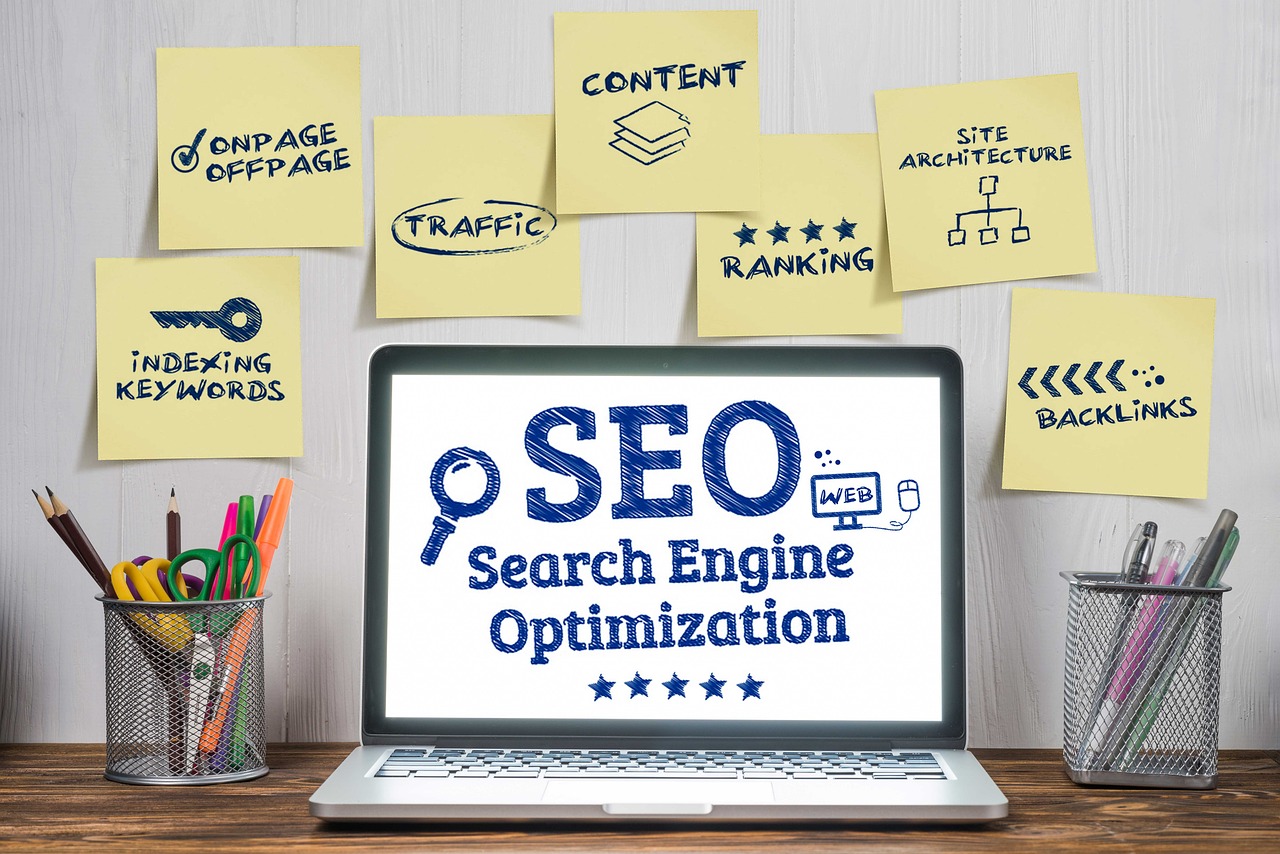
Measuring the success of your content marketing efforts is crucial to understanding what's working and refining your strategy for better search visibility. While the primary goal is to attract and engage your target audience, converting them into customers or clients is the ultimate metric. For cost-saving content marketing strategies, focusing on measurable outcomes ensures your budget is allocated effectively.
The first step in evaluating your content's performance is to analyze traffic data. Tools like Google Analytics offer insights into the number of visitors, their demographics, and how they interact with your website. Tracking page views and average session duration can reveal the popularity of your content. If you're an expert content marketing for attorney practices, understanding user behavior is key to tailoring your content to potential clients' needs. By segmenting your audience and analyzing their paths to conversion, you can identify high-performing content and areas that need improvement.
Conversion rates, another critical metric, measure the effectiveness of your content in driving desired actions. Whether it's subscribing to a newsletter, requesting a consultation, or making a purchase, setting clear goals and tracking conversions helps you assess the ROI of your content marketing efforts. Certified content marketing for B2B professionals can leverage advanced analytics to optimize their content for better engagement and conversions. Tools like SEO software can provide data on keyword rankings, click-through rates (CTR), and meta description effectiveness, enabling data-driven decisions to enhance search visibility.
Remember, content marketing is an ongoing process, and regular analysis allows you to adapt your strategy, ensuring your efforts remain aligned with your audience's needs and your business goals. By combining traffic data, user behavior insights, and conversion rates, you can create a powerful framework to measure the success of your content marketing for search visibility.
Frequently Asked Questions About Content Marketing for Beginners: A Practical Guide to Getting Noticed Online
What is content marketing, and why is it important? Content marketing is a strategic approach to creating and sharing valuable, relevant, and consistent content to attract and retain a clearly defined audience. It's important because it helps businesses build brand awareness, establish credibility, and drive targeted traffic to their websites. By providing useful information, you position yourself as an expert in your field, fostering trust and loyalty among potential customers.
How do I start creating content for my business? Begin by identifying your target audience and understanding their needs, interests, and pain points. Research relevant keywords to guide your content strategy. Then, create a content calendar to plan topics, formats (blog posts, videos, infographics), and distribution channels. Start small, focusing on high-quality content that offers value, and gradually expand as you gain traction and insight into what resonates best with your audience.
What types of content should I create? Diversify your content to engage a wider audience. This includes blog posts, articles, videos, podcasts, infographics, e-books, and more. Mix informative, educational, entertaining, and promotional content to keep your audience interested and encourage sharing. How-to guides, listicles, and success stories tend to perform well.
How often should I publish content? Consistency is key. Aim for a regular publishing schedule, such as weekly or biweekly, to keep your audience engaged and build anticipation. However, quality should always trump quantity. It's better to publish fewer, well-researched, and -written pieces than to rush content out frequently.
Where should I share my content? Distribute your content across various platforms, including your website, social media channels, email newsletters, industry forums, and relevant online communities. Each platform attracts a unique audience, so tailor your content to suit the format and audience expectations. Don't forget to include share buttons to encourage users to spread your content further.
How do I measure the success of my content marketing efforts? Track key performance indicators (KPIs) such as website traffic, time on page, bounce rate, conversion rates, social media engagement, and lead generation. Analyze these metrics over time to identify trends and understand what's working. Tools like Google Analytics and social media insights can help you measure and optimize your content marketing strategy.
Mastering content marketing for search visibility requires a strategic approach that resonates with your target audience. By understanding the core principles, defining your audience, and creating engaging content, you lay the foundation for online success. Optimizing for search engines through SEO best practices ensures your content reaches the right eyes. Effective distribution and promotion amplify your reach, while measuring success through analytics guides continuous improvement. The key takeaway is that content marketing isn't just about creating content; it's about creating content that gets noticed, drives engagement, and drives conversions. Implement these strategies practically, and you'll see tangible results in your online visibility and business growth.
Content marketing for search visibility involves understanding your audience, optimizing content for search engines, and leveraging multi-channel distribution. Key strategies include:
- Keyword optimization: Research and target specific keywords, including long-tail phrases, to outrank competitors and attract niche audiences.
- Audience engagement: Analyze user behavior, create personalized content, and repurpose blog content for deeper engagement and conversions.
- Content personalization: Adapt messaging to individual user preferences to boost engagement and build trust.
- Automation: Utilize content marketing tools and SEO software to streamline processes, maintain consistent pipelines, and ensure optimal search engine visibility.
- Distribution and promotion: Leverage social media, email newsletters, and industry forums to maximize reach and discoverability.
- Measuring success: Analyze traffic data, user behavior, and conversion rates to refine strategies and optimize content for better search visibility.