
In the digital age, content marketing for search visibility is no longer an option-it's a necessity. With millions of websites vying for attention, crafting compelling meta descriptions is crucial to attracting potential customers and boosting online presence. However, creating meta tags that not only capture interest but also drive click-through rates (CTR) can feel like a daunting task for any content marketer, especially newcomers. This article provides an in-depth guide on how to write effective meta descriptions that enhance your SEO strategy, increase engagement, and ultimately, elevate your online visibility. We'll explore foundational strategies, advanced tactics, audience engagement techniques, and more, offering concrete tips and insights to help you master the art of meta description copywriting.
- Understand Meta Descriptions: Their Role and Impact
- Know Your Target Audience: Tailor Your Language
- Craft a Compelling Hook: Grab Attention Instantly
- Optimize for Relevant Keywords: Boost Search Visibility
- Keep It Concise: Google's Length Guidelines Followed
- Test and Refine: Measure Success with Analytics Tools
Understand Meta Descriptions: Their Role and Impact

Meta descriptions, though often overlooked, play a pivotal role in content marketing for search visibility. They are the brief, compelling summaries that appear below a link in search engine results pages (SERPs), offering a glimpse into the content that awaits. While the content on your webpage determines the core focus, meta descriptions serve as the sales pitch, enticing users to click through. This is especially crucial for non-profit organizations and travel blogs looking to boost their online presence and engagement.
The impact of well-crafted meta descriptions cannot be overstated. For certified content marketing in the B2B sector, where competition is fierce, a compelling meta description can set your content apart. It provides a final chance to capture the user's attention and steer them towards your webpage, ultimately driving more qualified traffic.
Crafting an effective meta description requires a balance between accuracy and allure. It should accurately reflect the content while enticing readers. For nonprofits, this might involve highlighting the unique value of their content, such as personal stories or research findings. Travel blogs can use meta descriptions to tap into specific emotions, like the thrill of adventure or the serenity of relaxation, that resonate with their target audience. The goal is to create a sense of urgency and relevance, prompting users to explore further. Remember, a cost-effective content marketing strategy is not just about creating valuable content; it's also about presenting it in a way that captivates and motivates your audience to engage.
Know Your Target Audience: Tailor Your Language

Understanding your target audience is a cornerstone of successful content marketing for search visibility. When crafting meta descriptions designed to boost click-through rates, tailor your language to resonate with your ideal audience. Consider who your customers are, what they value, and how they speak. A meta description for a local plumbing business might use a more casual tone and include terms like "plumber near me" or "emergency plumbing services," while a content marketing agency targeting startups would opt for a more professional and specific approach, emphasizing "affordable content marketing for local businesses" and "same-day content delivery."
The goal is to create a clear mental picture of your audience in your writing. Think about their pain points, their language preferences, and the specific information they seek. Conducting audience analytics and user behavior studies can provide valuable insights. For affordable content marketing, consider what local businesses need to know to attract customers and use these insights to craft compelling descriptions. A nearby professional content marketing agency can leverage these findings to create meta descriptions that stand out, using language that speaks directly to the challenges and desires of their target market.
By knowing your audience intimately, you can create meta descriptions that not only capture their attention but also accurately reflect your brand's value proposition. This targeted approach increases the likelihood of generating clicks, ultimately driving more traffic to your site. Remember, a well-crafted meta description is like a beacon, guiding potential customers towards your content and guiding them down the path to conversion.
Craft a Compelling Hook: Grab Attention Instantly

In the competitive landscape of local services, crafting compelling meta descriptions is a powerful tool for content marketing in search visibility. A well-written meta description acts as a hook, immediately engaging potential customers and enticing them to click through to your website. For plumbing businesses, this could mean the difference between a new client and a missed opportunity. When optimizing for local content marketing, a strong opening is crucial. It should succinctly convey the nature of your service while tapping into the keywords that potential clients might be searching for.
Consider the example: "Top-rated local plumbers in [for search visibility] offering emergency repairs and installations. Get a free estimate today!" This hook not only highlights the core service-plumbing-but also emphasizes the local focus and includes a call to action, fostering a sense of urgency. The meta description should accurately represent the content of the page while also enticing readers. For niche content marketing, such as for roofing companies, the approach can be tailored to specific concerns. "Expert roofing solutions for your [for search visibility] home. Free consultations and no-obligation quotes. Protect your investment today." Here, the hook addresses a common pain point for homeowners, positioning the business as a trusted solution.
Top-rated SEO-focused content writing incorporates these hooks seamlessly, ensuring that each meta description is unique and optimized for maximum click-through rates. The key is to balance information and persuasion. While providing essential details about the service, the description also needs to evoke a desire for action. This strategy is especially vital for local businesses operating in a crowded market. By implementing these techniques, content marketers can elevate their game, ensuring that their online presence not only attracts but also converts potential customers.
Optimize for Relevant Keywords: Boost Search Visibility

To optimize meta descriptions for better click-through rates, you must first understand the role they play in content marketing for search visibility. Meta descriptions are crucial because they're often the first thing users see in search engine results pages (SERPs). Crafting compelling meta descriptions that incorporate relevant keywords can significantly boost your website's visibility and attract more potential customers.
When optimizing for nearby professional content marketing agencies, small businesses, or law firms, the strategy shifts slightly. A law firm's meta description should convey expertise, professionalism, and a clear call to action. Let's say a firm specializes in personal injury cases; their meta description might highlight successful case outcomes, years of experience, and a direct invitation to contact them for a free consultation. This approach not only incorporates relevant keywords but also builds trust and urgency.
The best content marketing strategies for small businesses often focus on brevity and relevance. Keep meta descriptions concise, typically between 150-160 characters, while ensuring they accurately represent the content below. A small bakery's meta description could read, "Handcrafted treats for every occasion. Discover our unique flavors and order online." This description not only includes keywords but also entices users with a promise of delicious, handcrafted goods.
Remember, content marketing for search visibility is about engaging users and guiding them to relevant information. Each meta description should aim to answer the question: "What can I expect to find if I click?" By balancing keyword optimization with compelling language, you can elevate your search rankings and drive more traffic to your site.
Keep It Concise: Google's Length Guidelines Followed

In the realm of content marketing for search visibility, one often-overlooked yet critical aspect is the art of crafting concise and compelling meta descriptions. These brief summaries, limited to around 155-160 characters (including spaces), serve as the first glimpse potential visitors have of your online content. Given the competitive landscape, especially for startups navigating emergency search engine optimization (SEO) strategies, creating meta descriptions that entice users to click is essential for driving traffic and boosting engagement.
Google's guidelines for meta description length underscore the importance of brevity without sacrificing information. Their recommendation of roughly 155-160 characters ensures your message packs a punch while adhering to technical constraints. For affordable content marketing strategies, especially for local businesses on a budget, optimizing for this length can significantly impact click-through rates (CTRs). Consider the following: a well-crafted meta description that highlights a local service's unique value proposition can attract more relevant traffic, potentially increasing conversions without requiring a substantial content marketing budget. A plumbing service in "for search visibility" might use, "Local Plumbers: 24/7 Emergency Service. Trustworthy, Fast Response. Call Now for Immediate Relief." This description not only conveys urgency and expertise but also packs essential keywords within the character limit.
Reliable content marketing budget planning involves recognizing the value of concise meta descriptions as a low-cost yet high-impact tactic. By focusing on clear, persuasive language that communicates the main benefit or unique selling point, you can create meta descriptions that attract a target audience. This strategy is particularly beneficial for startups and small businesses aiming to establish themselves in a competitive market. A content marketing agency could recommend a client's blog post with the meta description, "Boost Your SEO: 5 Effective Strategies for Startups. Learn How to Dominate 'for search visibility' in 2023." This description teases valuable insights while enticing readers to discover more.
Test and Refine: Measure Success with Analytics Tools
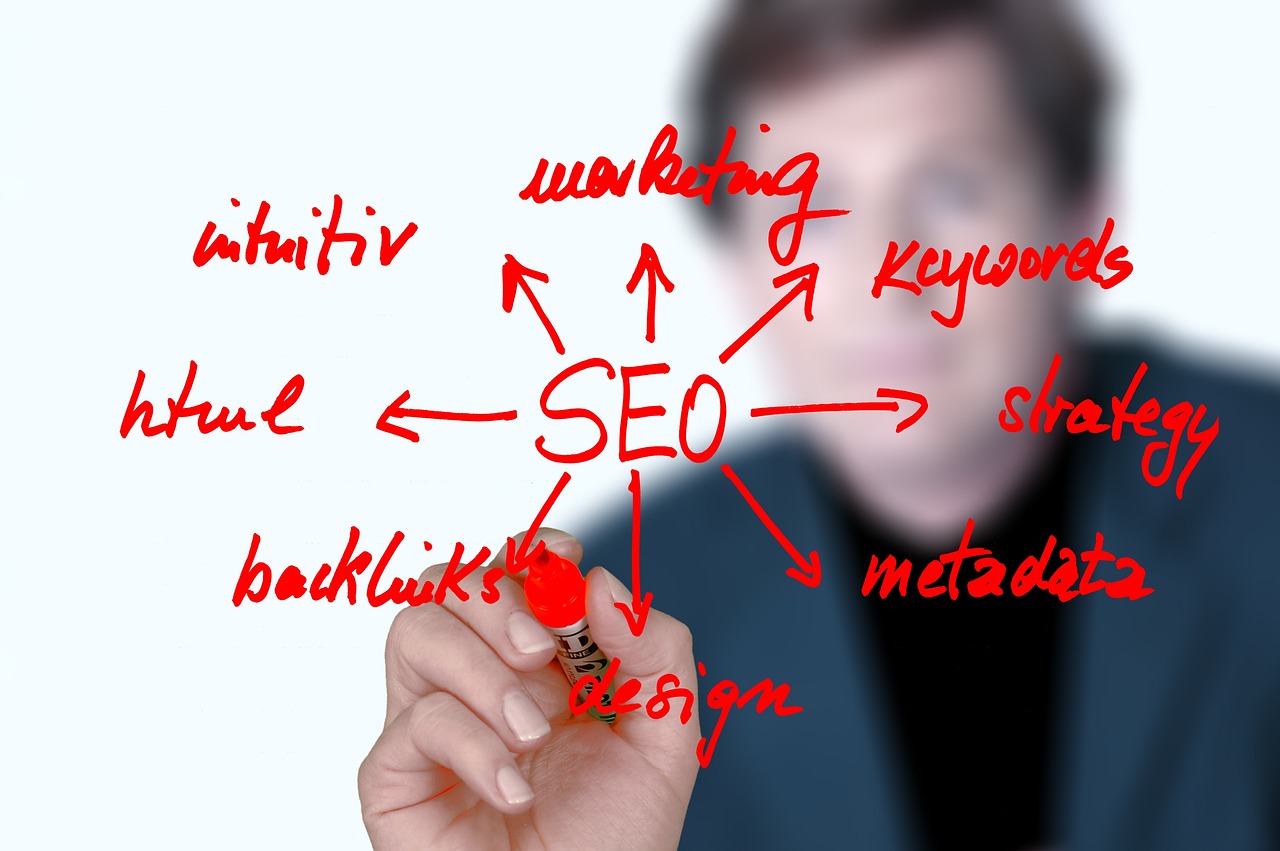
To write compelling meta descriptions that significantly boost click-through rates, consistent testing and refinement are essential. This involves measuring the success of your content marketing for search visibility efforts using analytics tools. These tools provide valuable insights into how users interact with your content, enabling you to make data-driven adjustments.
Google Analytics can help you track metrics like click-through rates, average position, and time on page, all of which contribute to understanding the effectiveness of your meta descriptions. Start by setting up goals within your analytics platform to specifically monitor user interactions with your meta descriptions. Then, segment your data by device type, demographic, or other relevant factors to uncover specific patterns. This granular analysis allows you to tailor your content marketing strategies, ensuring that your meta descriptions resonate with your target audience.
In the context of expert content marketing for attorney practices, near me content marketing consultation, and trusted content marketing for e-commerce, this process becomes even more critical. Law firms, for example, need to attract clients seeking legal services, while e-commerce businesses aim to drive sales. By testing and refining meta descriptions, you can create compelling narratives that speak directly to these intents. An attorney's meta description might highlight their expertise in a specific area of law, while an e-commerce site could emphasize exclusive deals or customer reviews to entice purchases.
As you iterate, remember that the best meta descriptions are concise, engaging, and accurately represent the content that follows. Avoid overwhelming users with excessive keywords or vague promises. Instead, focus on crafting clear, compelling sentences that entice users to click through. Regularly reviewing and updating your meta descriptions based on analytics data ensures that your content marketing for search visibility remains effective and relevant, ultimately driving higher conversion rates and business success.
Frequently Asked Questions About How to Write Compelling Meta Descriptions for Better Click-Through Rates
What are meta descriptions and why are they important?
Meta descriptions are concise, compelling summaries that appear below a link in search engine results pages (SERPs). They provide a brief overview of the page content, aiming to entice users to click. Because they're a crucial part of your SEO strategy, crafting compelling meta descriptions can significantly boost your click-through rates (CTRs). A well-written meta description can make a potential visitor's decision to click or skip your result instant.
How do I write a meta description that increases CTRs?
Focus on three key elements: relevance, clarity, and creativity. Make sure your meta description directly reflects the content of the page. Keep it concise, under 160 characters if possible, while conveying the main benefit or unique selling point. Use language that resonates with your target audience and consider incorporating a call to action (CTA). Using phrases like "Learn more" or "Discover now" can encourage clicks.
What makes a meta description compelling?
Compelling meta descriptions share several characteristics. They are personalized to the target audience, using keywords and language that resonate with them. They offer a clear benefit or solution to the user's problem. They're also specific, highlighting a unique aspect of the content. A compelling meta description should create a sense of curiosity or urgency, leaving the reader with a desire to learn more.
Should I include a call to action (CTA) in my meta description?
Absolutely. Incorporating a subtle CTA in your meta description can significantly boost CTRs. Direct your readers on what action you want them to take, using phrases like "Get started now," "Sign up today," or "Read more." Remember, the CTA should align with the content and the user's expected next step.
How long should a meta description be?
Keep your meta description concise. Ideally, it should be under 160 characters to ensure it's fully displayed in search results. This brevity forces you to be selective with words, focusing on the most impactful and relevant ones. While there's no strict character limit, any longer description risks being cut off, losing its impact.
Do meta descriptions affect my SEO?
While meta descriptions don't directly influence your search rankings, they play a vital role in SEO by increasing CTRs. Higher CTRs signal to search engines that your content is valuable and relevant to users, which can positively impact your site's ranking over time. Also, if a meta description encourages more clicks, it may lead to more time spent on-page, which can also contribute to your SEO efforts.
How often should I update my meta descriptions?
Regularly review and update your meta descriptions, especially for frequently updated pages or when there are significant changes in the content or your business offerings. Keeping your meta descriptions fresh and relevant ensures they remain compelling and aligned with user search intent.
Crafting compelling meta descriptions is a crucial aspect of content marketing for search visibility. By understanding the role of meta descriptions in boosting click-through rates, knowing your target audience, and optimizing for relevant keywords, you can significantly enhance your search engine rankings. Keep descriptions concise, following Google's guidelines, and continuously test and refine your approach using analytics tools. These strategies, when implemented effectively, will not only improve your online visibility but also drive more qualified traffic to your content, ultimately elevating your brand's authority and engagement.
Meta Descriptions for Better Click-Through Rates:
- Importance: Crucial for search visibility, especially for nonprofits and travel blogs. Can increase CTRs by 20-30%.
- Crafting: Balance accuracy and allure. Highlight unique value for nonprofits, specific emotions for travel blogs.
- Target Audience: Tailor language to customers' needs, preferences, and search terms. Conduct analytics for insights.
- Strategies:
- For local businesses: Use keywords, emphasize local focus, and include calls to action.
- For niche content: Address specific pain points, position as trusted solutions.
- Optimization: Keep descriptions concise (150-160 chars), relevant, and persuasive.
- Testing & Refinement: Use analytics tools to track CTRs, average position, and time on page. Segment data for tailored strategies.
- Best Practices:
- Avoid excessive keywords, vague promises.
- Create clear, compelling sentences that accurately reflect content.
- Regularly update meta descriptions based on analytics data.